
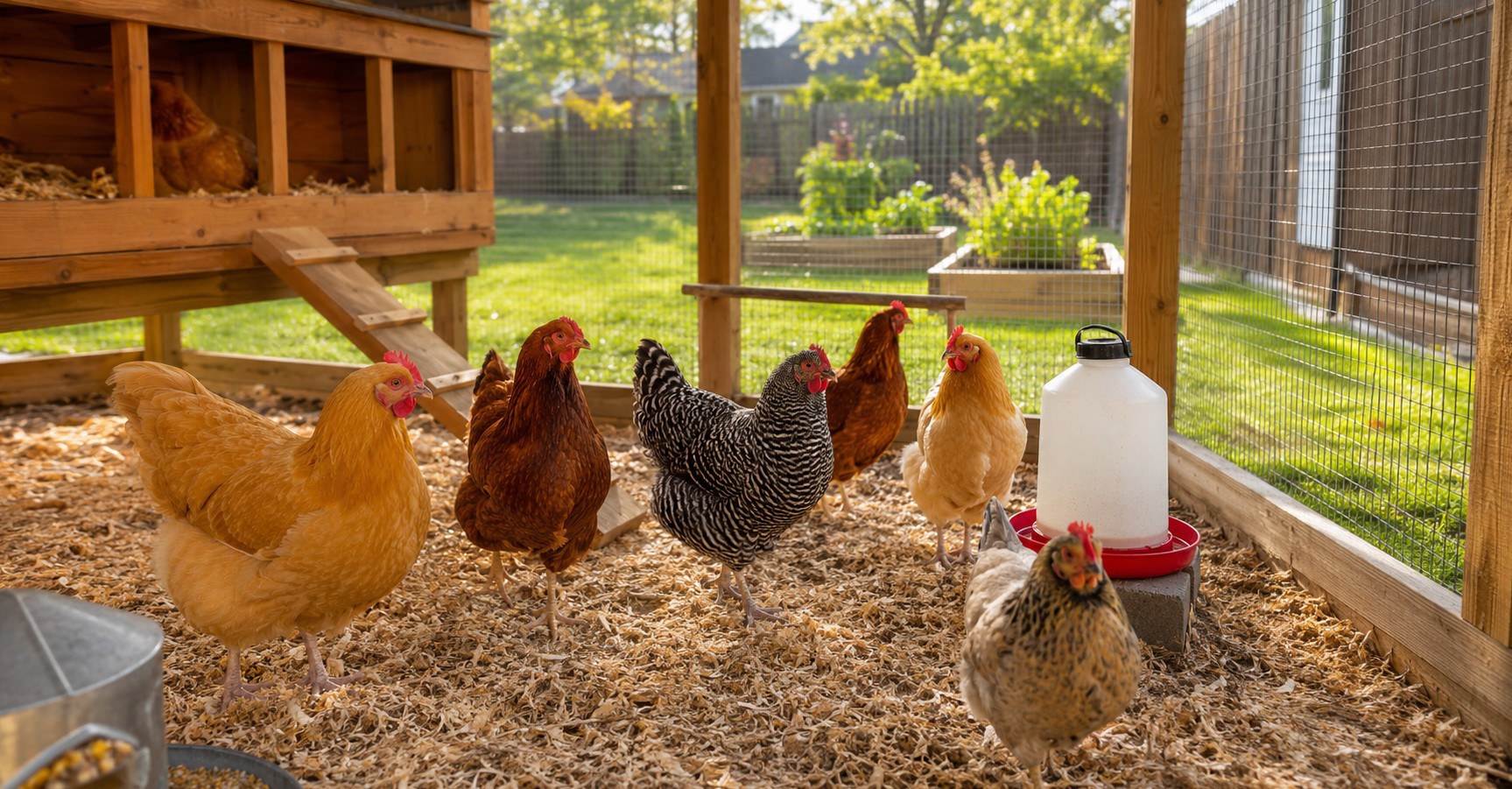
Backyard Chickens for Beginners: Best Breeds, Coop Setup, Space, and First-Flock Checklist
Starting a backyard flock sounds simple at first: buy a few chicks, put up a cute coop, collect fresh eggs, and enjoy country-style living right at home. Then the real questions arrive. Which chicken breeds are best for beginners? How many chickens should you start with? How much space do chickens need? What kind of coop is safe? Can you raise chickens in a small backyard or urban neighborhood? That is where practical Chicken coop Beginner Guides become important.
Backyard chickens are rewarding, but they are also living animals with daily needs. They need safe housing, clean water, balanced feed, predator protection, dry bedding, good coop ventilation, and a routine that fits your life. A beginner who plans carefully will usually have a much easier experience than someone who buys birds first and solves problems later.
This guide is written for new chicken keepers in the United States who want a realistic, beginner-friendly path. It covers the best chicken breeds for egg production, friendly family breeds, small yard chicken raising, urban chicken keeping, beginner coop setup, common mistakes, space planning, seasonal care, and a complete checklist before bringing chickens home.
Quick Answer Box
The best way for beginners to start raising backyard chickens is to begin small, choose calm egg-laying breeds, build or buy a secure coop before getting birds, and confirm local rules first. Most beginners do well with 3 to 6 hens, depending on space, family needs, and local ordinances. Good beginner breeds include Buff Orpingtons, Plymouth Rocks, Rhode Island Reds, Australorps, Sussex, Wyandottes, and Easter Eggers. A beginner coop should include dry bedding, safe roosts, nesting boxes, strong ventilation, predator-proof fencing, clean water, and easy access for daily maintenance. For small yards and urban chicken keeping, choose quieter breeds, manage odor, keep feed secure, and avoid overcrowding. The most common beginner mistakes are buying too many chickens, choosing the wrong coop, ignoring predators, poor ventilation, and not planning for weather. Good Chicken coop Beginner Guides help you start with confidence, not guesswork.
Table of Contents
- What Beginner Chicken Keeping Really Means
- Should You Raise Backyard Chickens?
- Check Local Rules Before Getting Chickens
- How Many Chickens Should Beginners Start With?
- Best Chicken Breeds for Beginners
- Best Chicken Breeds for Egg Production
- Best Friendly Chicken Breeds for Families
- Best Chickens for Small Backyards
- How Much Space Do Chickens Need?
- Complete Beginner Chicken Coop Setup
- Feed, Water, and Daily Care for Beginners
- Bedding, Coop Ventilation, and Cleanliness
- Predator Protection for New Backyard Flocks
- Urban Chicken Raising Tips
- Beginner Chicken Coop Mistakes to Avoid
- Seasonal Chicken Care for Beginners
- Best Tools, Materials, and Supplies for Beginners
- Problem, Cause, and Solution Table
- Beginner Coop Maintenance Checklist Table
- Long-Term Success With Your Backyard Flock
- My Practical Recommendation
- Frequently Asked Questions
- Final Checklist
- Conclusion
What Beginner Chicken Keeping Really Means
Beginner chicken keeping is not just about getting chickens for the first time. It is about learning how to care for a small flock in a way that is safe, practical, and sustainable for your home. Chickens are easier than many farm animals, but they still need daily attention. A good beginner setup makes that daily care simple instead of stressful.
A backyard flock depends on you for the basics. They need feed every day, clean water, secure housing, safe outdoor space, and protection from predators. They also need regular observation. Chickens cannot tell you directly when bedding is damp, the waterer is dirty, a raccoon has been testing the latch, or one hen is being bullied away from the feeder. You learn by watching small changes.
The best Chicken coop Beginner Guides do not make chicken keeping sound perfect every day. Some days are easy and fun. Other days involve muddy boots, frozen water, messy bedding, broody hens, soft-shell eggs, or a coop repair in bad weather. That is normal. A beginner who expects some real-life maintenance will enjoy the process more than someone who expects a zero-work hobby.
Backyard chickens are especially popular because they connect families to food, outdoor routines, and practical homestead skills. Children can learn responsibility. Adults can enjoy fresh eggs and calm backyard activity. Gardens can benefit from composted chicken bedding. But chickens also require planning. You should think about local rules, neighbors, noise, odor, predators, space, budget, and time before bringing birds home.
A smart beginner starts with a simple question: can I provide a safe, clean, legal, and manageable home for these birds every day of the year? If the answer is yes, backyard chickens can be a very rewarding part of home life.
Should You Raise Backyard Chickens?
Backyard chickens are a good fit for many households, but not every home is ready for them. Before choosing breeds or shopping for a coop, think honestly about your schedule, yard, budget, and expectations.
Chickens are not difficult in the same way a high-maintenance pet may be, but they are consistent. They need care on hot days, rainy days, holidays, school mornings, busy workdays, and during winter.
Good reasons to raise backyard chickens
- You want fresh eggs from hens you care for yourself.
- You enjoy outdoor routines and hands-on animal care.
- You want a small homestead project for your family.
- You have space for a safe coop and run.
- You are willing to clean, maintain, and improve the coop.
- You want chickens for both eggs and companionship.
Reasons to wait before getting chickens
- You have not checked your local ordinances or HOA rules.
- You do not have a secure coop ready.
- You are planning to free range without predator protection.
- You cannot provide daily water and feed checks.
- You are hoping chickens will be completely odor-free with no maintenance.
- You are not prepared for vet or emergency care if a bird becomes sick or injured.
Backyard chicken keeping works best when expectations are realistic. Fresh eggs are wonderful, but chickens may lay less in winter, during molting, during heat stress, or as they age. Some hens go broody. A beginner should plan for the real version of chicken keeping, not just the pretty picture.
Check Local Rules Before Getting Chickens
Before buying chicks, pullets, or a coop, check your local chicken laws. Rules vary widely across the United States.
This step matters because it is heartbreaking to build a coop and bond with birds, only to learn they are not allowed. Local rules may also affect coop placement, noise management, manure handling, and whether you need a permit.
What to check before starting
- Are backyard chickens allowed where you live?
- Are roosters allowed, or only hens?
- How many chickens can you keep?
- Are there coop setback requirements?
- Do you need a permit?
- Are there rules about odor, noise, waste, or run placement?
- Does your HOA or landlord allow chickens?
- Are there rules about selling eggs from home?
Urban chicken keeping can work very well when done responsibly. The key is being a good neighbor. Keep the coop clean, manage odor, prevent flies, secure feed from rodents, and avoid overcrowding. A small clean flock is much easier to defend than a crowded, noisy, smelly setup.
If you are unsure about local poultry rules, contact your city office, county extension office, or local animal control department. It is better to confirm early than guess.
How Many Chickens Should Beginners Start With?
For most beginners, 3 to 6 hens is a practical starting flock. Chickens are social animals, so one chicken alone is not ideal. Two can work in some cases, but if one dies or becomes sick, the remaining bird is alone. Three hens is often a better minimum. Four to six hens gives a family a nice small flock without becoming overwhelming.
The right number depends on space, local rules, egg needs, budget, and how much daily care you want. It is better to start with fewer chickens and expand later than to start with too many and discover your coop is crowded.
Why beginners should start small
- Smaller flocks are easier to observe and manage.
- Feed and bedding costs stay more predictable.
- Cleaning is easier.
- Noise and odor are easier to control.
- Predator protection is easier to build well.
- Small yard chicken raising is more realistic with fewer birds.
New owners often underestimate how much manure chickens produce. More chickens means more bedding work, more run wear, more feed, more water, and more pressure on ventilation. A crowded coop can lead to moisture, ammonia smell, feather picking, bullying, dirty eggs, and chicken health problems.
Think about eggs too. A family does not always need ten hens. Egg laying depends on breed, season, age, weather, and health, but even a few good laying hens can provide plenty of eggs during strong laying seasons. During winter, molting, or heat waves, production may drop. That is normal.
| Flock Size | Best For | Beginner Notes |
|---|---|---|
| 2 hens | Very small spaces where allowed | Works only if both birds get along; one loss leaves a lonely hen |
| 3 hens | Minimum practical beginner flock | Good for small yards and simple routines |
| 4 to 6 hens | Most beginner families | Balanced flock size for eggs, companionship, and manageability |
| 7 to 10 hens | Larger yards and confident beginners | Requires more coop space, run space, feed, and cleaning |
| More than 10 hens | Experienced keepers or larger homesteads | Not usually best for a first backyard flock |
Best Chicken Breeds for Beginners
The best breeds for beginners are usually calm, hardy, friendly, reliable layers, and easy to manage. A first flock should not be chosen only by egg color or pretty feathers. Temperament, climate tolerance, noise level, size, and egg production all matter.
Good beginner-friendly breeds
- Buff Orpington: Gentle, fluffy, friendly, and popular with families.
- Plymouth Rock: Hardy, steady layers, calm, and beginner-friendly.
- Rhode Island Red: Strong layers, hardy, active, and practical.
- Australorp: Calm, good layers, and usually easy to manage.
- Speckled Sussex: Curious, friendly, and good for mixed backyard flocks.
- Wyandotte: Attractive, cold-hardy, and good for many backyard setups.
- Easter Egger: Fun egg colors, usually friendly, and popular with families.
- Brahma: Large, gentle, cold-hardy, but needs more space.
If you are building a mixed flock, choose breeds with similar size and temperament. A very tiny bantam mixed with large assertive hens may need extra care. A very flighty breed in a small urban yard may be harder to manage. A heavy calm breed can be easier for beginners, but heavy breeds still need enough space and good ventilation.
Where you buy birds matters too. Chicks from a reputable hatchery, local farm, or responsible breeder are usually better than random birds with unknown health backgrounds. If you buy started pullets, quarantine or separate new birds before mixing with your flock when possible. New birds can introduce illness or parasites.
Best Chicken Breeds for Egg Production
If your main goal is eggs, choose breeds known for steady laying. However, do not judge a breed only by maximum egg potential. Backyard conditions, diet, daylight, weather, age, stress, and chicken health all affect egg laying. A calm, well-cared-for hen in a safe coop may perform better than a high-production bird in a stressful setup.
Reliable egg-laying breeds for beginners
| Breed | Egg Strength | Temperament | Beginner Fit |
|---|---|---|---|
| Rhode Island Red | Very good layer | Active, hardy, sometimes assertive | Good for practical egg-focused flocks |
| Plymouth Rock | Good layer | Calm and steady | Excellent beginner choice |
| Australorp | Good layer | Calm and friendly | Very good for families and beginners |
| Leghorn | Excellent layer | Active and flighty | Better for owners who can manage energetic birds |
| Sussex | Good layer | Curious and friendly | Good backyard breed |
| Easter Egger | Moderate to good layer | Usually friendly and curious | Great for colorful eggs and families |
| Orpington | Moderate to good layer | Very gentle | Excellent family-friendly breed |
For egg production, remember that young hens usually lay more often than older hens. Laying also slows during winter, molting, broodiness, extreme heat, stress, or poor nutrition. A good beginner plan includes balanced feed, clean water, oyster shell, safe nesting boxes, and predator protection.
Do not choose only high-output breeds if you have young children or a tiny backyard. A slightly calmer breed may be better for your lifestyle, even if it lays fewer eggs. Backyard chicken keeping is about the whole experience, not only the egg count.
Best Friendly Chicken Breeds for Families
Family-friendly chickens are usually calm, easy to handle, and less flighty. No breed is guaranteed to be perfectly friendly, because individual personality, handling, and flock environment matter. Still, some breeds are known for being easier around children and beginners.
Good family-friendly chickens
- Buff Orpingtons: Often gentle and easygoing, popular for families.
- Australorps: Calm, steady, and good for beginner flocks.
- Plymouth Rocks: Friendly, hardy, and reliable.
- Speckled Sussex: Curious and often people-friendly.
- Easter Eggers: Fun for families because of colorful eggs and varied looks.
- Brahmas: Gentle giants, but they need space and strong roost planning.
- Wyandottes: Beautiful, hardy, and often calm, though some can be independent.
Teach children to handle chickens gently. Chickens should not be chased, squeezed, carried by wings, or treated like toys. A calm child who sits quietly with treats nearby may build trust faster than a child who runs after birds. Even friendly chickens need respect.
Family safety basics
- Wash hands after touching chickens, eggs, bedding, feeders, or coop surfaces.
- Keep chicken shoes or boots outside if possible.
- Do not let young children kiss chickens.
- Supervise children around roosters or assertive hens.
- Teach children to close gates and latches carefully.
Family-friendly chickens still need good coop design. A gentle breed can become stressed in a cramped, dirty, hot, or unsafe coop. Calm handling and good housing work together.
Best Chickens for Small Backyards
Small yard chicken raising can be successful, but it requires careful planning. The biggest risk in a small yard is overcrowding. Too many birds in a small space can create odor, mud, noise, bullying, dirty eggs, and unhappy neighbors.
For small backyards, choose a small flock and calm breeds. Avoid starting with too many chickens just because a coop advertisement says it can fit them. Many prefab coops overstate capacity. Real chickens need room to move, scratch, dust bathe, access food and water, and avoid each other.
Good traits for small-yard chickens
- Calm temperament
- Moderate noise level
- Good egg production without being overly flighty
- Comfort in a secure run
- Friendly behavior around people
- Not too large for the coop design
Buff Orpingtons, Australorps, Plymouth Rocks, Sussex, Easter Eggers, and some Wyandottes can work well in small yards when the flock size is reasonable. Bantams may also work for small spaces, but they lay smaller eggs and may be more vulnerable to predators. Some bantams are also more flighty.
Small-yard setup tips
- Start with 3 to 4 hens instead of a large flock.
- Build a secure run with enough space for daily activity.
- Use deep shade and good ventilation in tight spaces.
- Keep bedding dry to control odor.
- Store feed in rodent-resistant containers.
- Use covered run sections to reduce mud.
- Clean more often because small spaces build up waste faster.
Small backyards can be excellent chicken spaces if they are managed well. The key is not to copy a large homestead setup. Design for your actual yard.
How Much Space Do Chickens Need?
Space matters because chickens need room to move, roost, lay, eat, drink, and get away from each other. Overcrowding is one of the most common beginner problems. It can lead to bullying, feather picking, odor, dirty bedding, moisture, poor air quality, and reduced egg laying.
General backyard guidelines often suggest at least a few square feet per chicken inside the coop and more space per chicken in the run. However, climate, breed size, free-range time, coop layout, ventilation, and flock behavior all affect what feels comfortable.
Beginner-friendly space planning
- Give more space than the bare minimum whenever possible.
- Large breeds need more space than bantams.
- Chickens confined to a run all day need a larger run.
- Hot climates need more airflow and room to spread out.
- Wet climates need enough space to avoid constant mud.
- Multiple feeders and waterers reduce competition.
| Area | Beginner Goal | Why It Matters |
|---|---|---|
| Coop floor space | Enough room for sleeping, shelter, and bad weather days | Reduces crowding, moisture, and stress |
| Run space | Generous daily movement area | Supports scratching, dust bathing, and natural behavior |
| Roost space | Enough room for all birds to sleep comfortably | Prevents nighttime crowding and pecking |
| Nesting boxes | Enough clean boxes for hens to share | Encourages eggs in the right place |
| Feeder space | Enough access for timid and dominant birds | Reduces bullying and poor nutrition |
| Ventilation space | Fresh air without direct roost drafts | Reduces moisture and respiratory stress |
A coop that is easy to clean is also part of space planning. If you cannot reach corners, remove bedding, or access roosts, maintenance becomes harder. A beginner-friendly coop should fit both chickens and the person caring for them.
Complete Beginner Chicken Coop Setup
A beginner chicken coop should be secure, dry, ventilated, easy to clean, and comfortable for the flock. It does not need to be fancy. Many simple coops work very well if they are built with practical details.
Essential parts of a beginner coop
- Secure walls: Strong enough to block predators and weather.
- Roof: Leak-free and able to handle local weather.
- Roosts: Safe sleeping bars placed higher than nesting boxes.
- Nesting boxes: Clean, quiet, and easy to collect from.
- Ventilation: Fresh air without direct drafts on roosting birds.
- Bedding: Dry material such as pine shavings, straw, hemp, or another suitable option.
- Pop door: Secure chicken entrance to the run.
- Human access door: Large enough for cleaning and maintenance.
- Predator protection: Hardware cloth, secure latches, and protected openings.
The chicken run
The run is where chickens spend daytime hours when they are not free ranging. For beginners, a secure run is one of the best investments. It protects chickens from predators, keeps them contained, and gives them outdoor activity space.
A good run should have strong fencing, a protected bottom edge, shade, water access, and ideally some overhead protection from hawks and weather. Chicken wire may keep chickens in, but it is not strong predator protection. Hardware cloth or strong welded wire is safer, especially around the lower areas.
Roost placement
Chickens prefer to sleep on roosts. Roosts should be higher than nesting boxes so hens do not sleep in boxes and soil the bedding. Use smooth, sturdy roosts that allow birds to balance comfortably. Avoid sharp edges. Make sure heavy breeds can get up and down safely.
Nesting boxes
Nesting boxes should be clean, calm, and slightly private. Hens often share boxes, so you do not need one box per hen. But you do need enough space that hens are not fighting for one favorite spot all day. Keep nesting bedding clean to encourage good egg laying habits.
Easy cleaning access
Many beginner coops fail because they are hard to clean. Small doors, awkward corners, low roofs, and flimsy trays make maintenance frustrating. Choose or build a coop you can actually clean in bad weather, with gloves on, when you are busy.
Feed, Water, and Daily Care for Beginners
Daily chicken care is simple once you build a routine. Chickens need fresh water, proper feed, egg collection, a quick health check, and security checks. Most days take only a short time, but consistency matters.
Basic daily routine
- Open the coop or check the automatic door in the morning.
- Check that all birds are active and moving normally.
- Refill or check the feeder.
- Clean and refill water if needed.
- Collect eggs once or more daily.
- Look for wet bedding, predator signs, or broken latches.
- Close and secure the coop before dark.
Choosing feed
Chicks, growing birds, and laying hens need different feed. Chicks usually start on chick starter. Growing pullets may need grower feed. Laying hens usually need layer feed once they are laying age. If you have mixed ages, you may need a flock raiser feed with oyster shell offered separately to laying hens.
Do not let treats replace balanced feed. Scratch grains, mealworms, greens, and kitchen scraps should be limited. Too many treats can reduce nutrition balance and affect egg laying.
Water matters more than beginners think
Clean water is critical. Chickens drink often, and water affects digestion, body temperature, and egg production. In summer, water can become hot or dirty quickly. In winter, it can freeze. Have a plan for both seasons.
Grit and oyster shell
Chickens need grit if they eat foods other than commercial feed or if they forage. Grit helps them grind food. Laying hens also need calcium support, often provided by oyster shell in a separate dish. Offering oyster shell separately lets hens take what they need.
Bedding, Coop Ventilation, and Cleanliness
Bedding and ventilation are two areas beginners often underestimate. A coop can look cute but still become unhealthy if it traps moisture, smells like ammonia, or stays damp. Chickens spend many hours inside the coop, especially at night and during bad weather. Air quality matters.
Good bedding goals
- Absorb moisture from droppings.
- Keep the floor more comfortable.
- Help control odor.
- Keep nesting boxes clean.
- Make coop cleaning easier.
Pine shavings are a common beginner choice because they are absorbent and easy to manage. Straw can work, but it may mat down if wet. Hemp bedding can be effective but is often more expensive. Sand works in some dry, well-designed coops but is not ideal for every climate.
Ventilation without drafts
Ventilation removes moisture and stale air. Drafts are direct cold air blowing on roosting birds. You want ventilation, not harsh drafts. Place vents high when possible and cover them with hardware cloth. In summer, more airflow is helpful. In winter, keep moist air escaping while protecting roosts from wind.
Cleaning frequency
How often you clean depends on flock size, bedding type, coop size, weather, and ventilation. A small crowded coop needs cleaning more often than a spacious, dry coop. Watch your nose and the bedding. If it smells strong, feels damp, or looks caked, it needs attention.
Clean nesting boxes more often than the whole coop if needed. Dirty nesting boxes lead to dirty eggs and may encourage hens to lay somewhere else.
Predator Protection for New Backyard Flocks
Predator protection should be planned before chickens arrive. Nearly every backyard has predators, even urban neighborhoods. Hawks, raccoons, dogs, cats, foxes, coyotes, snakes, rats, possums, owls, and weasels may all be concerns depending on your area.
The safest beginner setup uses layers of protection. The coop protects at night. The run protects during the day. Fencing protects the perimeter. Latches protect doors. Hardware cloth protects vents and openings. Good feed storage reduces rodents.
Beginner predator protection basics
- Use hardware cloth on vents, windows, and lower run areas.
- Do not rely on chicken wire for serious predator defense.
- Add a buried barrier or wire apron around the run base.
- Cover the run if hawks are common.
- Use strong latches that raccoons cannot easily open.
- Lock chickens in the coop before dark.
- Store feed in secure containers to avoid rodents.
- Check for digging or loose wire weekly.
Loose dogs are one of the most common threats in many neighborhoods. A friendly pet dog can still chase chickens if it gets into the yard. Make sure the run can handle pressure from outside animals.
Predator protection also supports egg laying and flock calm. Hens that feel constantly threatened may hide, stop using nesting boxes, or reduce laying. A safe flock is usually easier to manage.
Urban Chicken Raising Tips
Urban chicken keeping can be very rewarding, but it requires extra attention to cleanliness, noise, space, and neighbors. A small city flock should be tidy, quiet, and well-managed. The goal is to enjoy chickens without creating problems for nearby homes.
Choose hens, not roosters, if rules or noise are concerns
Many cities allow hens but not roosters. Roosters are usually much louder and may create neighbor complaints. Hens can make noise too, especially after laying eggs, but they are generally easier for urban settings.
Control odor before it starts
A clean chicken coop should not smell terrible. Odor usually comes from wet bedding, overcrowding, poor ventilation, spilled feed, or manure buildup. Keep bedding dry, clean regularly, and do not keep more birds than your setup can handle.
Manage feed to prevent rodents
Rodents are a major urban chicken issue. Store feed in metal or heavy-duty containers with tight lids. Clean spilled feed. Avoid leaving open feed piles overnight. Rodents can attract snakes and other predators too.
Be thoughtful with neighbors
Place the coop away from property lines when possible. Keep it clean and attractive. Share eggs if you have extras and feel comfortable doing so. Avoid letting chickens wander into neighbor yards. A well-managed flock is much less likely to cause conflict.
Use small-space enrichment
Chickens in small yards need things to do. Add roost branches, dust bath areas, hanging cabbage treats occasionally, scratch areas, dry leaves, or safe perches. Bored chickens may peck each other or damage the run.
Urban chicken keeping works best when you keep the flock small and the setup neat. Four well-cared-for hens are often better than eight crowded birds.
Beginner Chicken Coop Mistakes to Avoid
Beginner chicken coop mistakes are common because many coops look good online but do not work well in daily life. A practical coop should be safe, dry, ventilated, predator-resistant, and easy to clean.
Mistake 1: Buying a coop that is too small
Many prefab coops claim to hold more chickens than they comfortably should. Crowding creates stress, odor, moisture, and cleaning problems. Choose a coop based on real space and your climate, not only the label.
Mistake 2: Ignoring ventilation
A sealed coop traps moisture and ammonia. Chickens need fresh air even in winter. Cover vents with hardware cloth and place them so air moves without blowing directly on roosts.
Mistake 3: Using weak wire
Chicken wire is not enough for many predators. Use hardware cloth on important openings and lower run areas. Strong fasteners matter too.
Mistake 4: Forgetting the run
Beginners often focus on the coop and forget that chickens spend much of the day in the run. A run needs space, shade, dry ground, predator protection, and water access.
Mistake 5: Poor water planning
Water freezes in winter, heats up in summer, and gets dirty quickly. Plan water placement and cleaning before problems appear.
Mistake 6: Not planning for sick or injured birds
Every chicken keeper should have a safe place to isolate a sick, injured, bullied, or recovering bird. Serious illness, breathing trouble, injuries, or unusual behavior should be discussed with a poultry vet or extension office.
Mistake 7: Starting with too many breeds or too many birds
Mixed flocks are fun, but too many birds can overwhelm a beginner. Start simple. Learn the routine first. You can expand later.
Seasonal Chicken Care for Beginners
Chickens need different support in different seasons. Seasonal chicken care does not need to be complicated, but beginners should be prepared for heat, cold, rain, storms, molting, and daylight changes.
Spring
Spring is a good season to start a flock, clean the coop, and inspect for winter damage. It is also a time when predators become active and parasites may appear. Keep bedding dry, check fencing, and watch for broody hens.
Summer
Summer heat can be harder on chickens than winter cold. Provide shade, airflow, and fresh water. Watch for panting, wings held away from the body, lethargy, or reduced eating. Heat stress can become serious. Contact a poultry vet or extension office if a bird seems severely weak or distressed.
Fall
Fall often brings molting and shorter days. Egg laying may drop. Support hens with good nutrition and reduce stress. This is also the best time to prepare for winter by checking water plans, roof leaks, bedding, and ventilation.
Winter
Winter care focuses on dry bedding, unfrozen water, wind protection, and ventilation. Chickens often handle cold well if they are dry and out of direct drafts. Do not seal the coop completely. Moisture trapped inside can cause problems.
Seasonal care is part of all good Chicken coop Beginner Guides because chickens live outside all year. A setup that works in May may need changes in January or August.
Best Tools, Materials, and Supplies for Beginners
Beginners do not need every chicken product available. Start with practical supplies that support daily care, cleanliness, safety, and flock health.
| Item | Best Use | Pros | Beginner Note |
|---|---|---|---|
| Feeder | Daily feed access | Reduces waste and keeps feed organized | Choose one that is easy to clean and refill |
| Waterer | Clean drinking water | Supports health and egg laying | Have a winter and summer plan |
| Hardware cloth | Predator-proof openings | Stronger than chicken wire | Use on vents, windows, and run edges |
| Pine shavings | Coop and nesting bedding | Absorbent and easy to manage | Replace wet bedding quickly |
| Oyster shell | Calcium for laying hens | Supports shell quality | Offer separately, not mixed for all birds |
| Grit | Helps chickens digest forage and treats | Useful for birds eating more than commercial feed | Offer free-choice if needed |
| Feed storage container | Keeps feed dry and protected | Reduces rodents and spoilage | Metal cans are popular for rodent resistance |
| Coop cleaning tools | Maintenance | Makes cleaning faster | Keep tools separate from household tools |
Other helpful supplies include a small first-aid kit, gloves, a flashlight, extra latches, screws and washers, a dust bath area, shade cloth, and a safe backup water container. Buy basics first. Add extras as you learn your flock’s needs.
Problem, Cause, and Solution Table
Most beginner problems are manageable when you connect the symptom to the likely cause. This table gives a practical starting point.
| Problem | Common Cause | Practical Solution |
|---|---|---|
| Coop smells bad | Wet bedding, poor ventilation, overcrowding | Remove wet bedding, add ventilation, reduce crowding |
| Chickens stop laying eggs | Season, stress, feed, age, heat, molt, illness | Check feed, water, daylight, health, nesting boxes, and predators |
| Feathers missing | Molting, bullying, parasites, overcrowding | Observe behavior, inspect for mites, improve space and nutrition |
| Water gets dirty quickly | Waterer too low or placed in bedding | Raise waterer slightly and clean more often |
| Run is muddy | Poor drainage or no roof coverage | Add drainage, roof section, wood chips, or better ground management |
| Hens lay outside nesting boxes | Dirty boxes, hidden nests, stress, poor box location | Clean boxes, add fake eggs, keep hens in run during laying time |
| Predators test the coop | Weak latches, open run, feed attraction | Use hardware cloth, secure latches, cover run, store feed safely |
| Bullying in the flock | Overcrowding, limited feeders, new birds, stress | Add space, extra feeders, hiding spots, and slow introductions |
Beginner Coop Maintenance Checklist Table
A simple maintenance plan prevents most beginner problems. The goal is to do small checks often instead of waiting for a major coop cleanup.
| Task | How Often | Why It Matters |
|---|---|---|
| Check water | Daily | Chickens need clean water for health and egg laying |
| Check feed | Daily | Balanced feed supports growth, energy, and eggs |
| Collect eggs | Daily | Prevents broken, dirty, hidden, or frozen eggs |
| Observe flock behavior | Daily | Helps catch illness, bullying, stress, or injury early |
| Refresh nesting boxes | Weekly or as needed | Keeps eggs cleaner and hens comfortable |
| Inspect bedding | Weekly | Prevents moisture, odor, and ammonia buildup |
| Check latches and fencing | Weekly | Protects against predators and escapes |
| Clean feeders and waterers | Weekly or more often | Reduces slime, mold, pests, and feed waste |
| Deep clean or reset bedding | Seasonally or as needed | Keeps coop healthy and manageable |
| Review local weather setup | Seasonally | Prepares for heat, cold, rain, and storms |
Long-Term Success With Your Backyard Flock
Long-term success with backyard chickens comes from steady habits. You do not need a perfect coop or rare breeds. You need a safe setup, a realistic flock size, a routine you can maintain, and willingness to learn as you go.
As your flock grows older, your needs may change. Young pullets become laying hens. Hens molt. Egg production changes. Older birds lay less. Weather affects routines. Predators discover the coop. Bedding systems need adjustment. Chicken keeping is a learning process.
Keep simple records
A notebook or phone note can help you track egg counts, feed changes, health concerns, predator visits, molt, and seasonal patterns. Records make problems easier to understand.
Build relationships with local resources
Your local extension office, poultry vet, experienced local chicken keepers, and reputable feed store can be helpful. Climate and predators vary by region, so local advice matters.
Improve one thing at a time
Do not try to solve every possible issue at once. Start with safety, water, feed, bedding, and ventilation. Then improve shade, mud control, egg collection, run enrichment, and seasonal systems.
Respect natural chicken behavior
Chickens scratch, dust bathe, establish pecking orders, molt, go broody, hide eggs, and slow down in certain seasons. Not every behavior is a problem. The skill is learning what is normal and what needs attention.
The best Backyard Chicken Guides help you build confidence over time. After a few months, daily care becomes natural. After a full year, you understand how your flock responds to every season.
My Practical Recommendation
If I were helping a beginner start a backyard flock, I would recommend beginning with 4 hens, a secure walk-in or easy-access coop and run, and calm breeds known for beginner-friendly behavior. I would not start with a rooster, rare breeds, a large flock, or a tiny decorative coop that is hard to clean.
For breeds, I would choose a practical mix such as Buff Orpington, Plymouth Rock, Australorp, Sussex, Easter Egger, or Rhode Island Red. This gives a beginner a mix of friendly personalities, good egg potential, and backyard reliability. If young children are involved, I would lean toward calmer breeds and teach gentle handling from the beginning.
For the coop, I would spend more money on predator protection, ventilation, and easy cleaning than on decorative features. I would use hardware cloth on openings, strong latches, a covered or partially covered run, dry bedding, and enough access doors to clean without frustration.
For daily care, I would keep it simple: check water, check feed, collect eggs, observe the flock, and lock the coop before dark. Once a week, I would inspect bedding, latches, fencing, and nesting boxes. Each season, I would adjust for heat, cold, rain, and storms.
My honest advice is this: start small and do it well. A clean, secure, peaceful flock of four hens will teach you more and bring more enjoyment than a crowded flock that becomes stressful. That is the heart of good Chicken coop Beginner Guides.
Frequently Asked Questions
1. How many chickens should a beginner start with?
Most beginners do well with 3 to 6 hens. Three is a practical minimum because chickens are social and do better with flockmates. Four to six hens can provide a nice small flock for families without becoming too difficult to manage. The right number depends on your yard size, local rules, coop space, and how many eggs you realistically need. It is better to start small and expand later than to overcrowd the coop. Overcrowding can cause odor, bullying, dirty bedding, poor ventilation, and health problems.
2. What are the best chicken breeds for beginners?
Good beginner breeds are usually calm, hardy, friendly, and steady layers. Buff Orpingtons, Plymouth Rocks, Australorps, Rhode Island Reds, Sussex, Wyandottes, and Easter Eggers are all popular choices. Buff Orpingtons and Australorps are often good for families because they tend to be gentle. Rhode Island Reds are strong layers but can be more assertive. Easter Eggers are fun because they may lay colorful eggs. Choose breeds based on temperament, climate, egg goals, and your yard size, not just appearance.
3. Can I raise chickens in a small backyard?
Yes, small yard chicken raising can work well if you keep the flock small, choose calm breeds, and manage the coop carefully. Start with 3 or 4 hens instead of a large flock. Use a secure run, dry bedding, good ventilation, and a clean feeding area. Control odor by removing wet bedding and avoiding overcrowding. Make sure local rules allow chickens and check whether roosters are banned. In small spaces, daily maintenance matters more because manure, moisture, and mud build up faster.
4. Do beginners need a rooster for eggs?
No, hens do not need a rooster to lay eggs. Hens lay eggs without a rooster. A rooster is only needed if you want fertile eggs for hatching. Many beginners should avoid roosters, especially in urban or suburban areas, because roosters can be noisy and may not be allowed by local rules. Some roosters are protective, but they can also become aggressive. For a first backyard flock focused on eggs and family-friendly care, hens only are usually the easiest choice.
5. How much space do chickens need?
Chickens need enough coop space, run space, roost space, feeder access, and ventilation to avoid crowding. Exact needs vary by breed, climate, and whether chickens free range. As a beginner, give more space than the smallest recommendation whenever possible. Crowding can lead to bullying, feather picking, dirty bedding, moisture, odor, and reduced egg laying. Chickens kept in a run all day need more run space than birds that safely free range. Large breeds also need more room than bantams.
6. What should a beginner chicken coop include?
A beginner chicken coop should include secure walls, a leak-free roof, roosts, nesting boxes, dry bedding, predator-proof vents, good ventilation, a pop door, and easy cleaning access. The run should have strong fencing, shade, water access, and protection from predators. Hardware cloth is better than chicken wire for important openings. The coop should be easy to clean because maintenance is part of chicken health. A simple, practical coop is better than a pretty coop that is cramped, damp, or hard to use.
7. What are the biggest beginner chicken coop mistakes?
The biggest beginner mistakes are buying too many chickens, choosing a coop that is too small, ignoring ventilation, relying on weak chicken wire, not protecting from predators, and forgetting seasonal water needs. Another common mistake is giving too many treats and not enough balanced feed. Beginners may also overlook local rules or buy chicks before the coop is ready. Most problems are easier to prevent than fix. Build the setup first, then bring chickens home.
8. Are chickens good pets for families?
Chickens can be wonderful family animals when children are taught to handle them gently and wash hands after contact. Family-friendly chickens such as Buff Orpingtons, Australorps, Plymouth Rocks, Sussex, and Easter Eggers are popular because they are often calmer and easier to manage. Chickens are not toys, though. They should not be chased, squeezed, or carried roughly. Families should also understand that chickens need daily care, clean housing, and protection from predators. With supervision and good routines, chickens can be a great learning experience.
9. Can chickens stay outside all year?
Yes, chickens can live outside all year if they have a safe, dry, well-ventilated coop and proper seasonal care. In winter, they need dry bedding, protection from drafts, and unfrozen water. In summer, they need shade, airflow, and cool clean water. During rainy weather, they need drainage and dry nesting boxes. During storms, they need secure shelter. Chickens do not need a human-style indoor environment, but they do need housing designed for their weather and predators.
10. What do chickens eat every day?
Chickens should eat feed appropriate for their age and purpose. Chicks eat chick starter, growing pullets may eat grower feed, and laying hens usually eat layer feed. Laying hens also benefit from free-choice oyster shell for calcium. Chickens that eat treats, scratch, or forage should have grit available. Treats should be limited because too many snacks can reduce nutrition balance and egg production. Clean water should be available every day in every season.
11. How do I keep a beginner chicken coop from smelling bad?
A chicken coop smells bad when moisture, manure, poor ventilation, and overcrowding build up. Keep bedding dry, clean wet spots quickly, provide fresh air, and avoid keeping too many birds in a small coop. Store feed securely and clean spills to avoid rodents. Check waterers for leaks because spilled water can ruin bedding quickly. A well-managed coop should smell earthy or mild, not strongly sour or ammonia-like. If ammonia smell is noticeable, clean bedding and improve ventilation.
12. What should I do if a chicken looks sick?
If a chicken looks sick, weak, injured, swollen, unable to walk, not eating, not drinking, breathing strangely, or acting very different from normal, separate her safely for observation and contact a poultry vet or local extension office for guidance. Beginners should not ignore serious symptoms or assume every issue is simple. Check feed, water, bedding, ventilation, parasites, and flock bullying, but get professional help when symptoms are severe or continue. Early attention can make a big difference in chicken health.
Final Checklist
- Check local chicken laws, HOA rules, and rooster restrictions.
- Start with a small flock, usually 3 to 6 hens.
- Choose beginner-friendly breeds suited to your climate and space.
- Build or buy the coop before bringing chickens home.
- Use predator-safe materials such as hardware cloth on key openings.
- Provide dry bedding, roosts, nesting boxes, and strong ventilation.
- Create a secure run with shade and enough space.
- Use proper feed for the birds’ age and stage.
- Keep clean water available every day.
- Offer oyster shell separately for laying hens.
- Limit treats so balanced feed remains the main diet.
- Collect eggs daily and keep nesting boxes clean.
- Inspect latches, fencing, bedding, and waterers weekly.
- Prepare for summer heat, winter cold, rain, and storms.
- Contact a poultry vet or extension office for serious illness or injury.
Conclusion
Backyard chickens can be one of the most rewarding projects for a home, family, or small homestead, but the best results come from planning before the birds arrive. Beginners should focus on the basics: local rules, a small flock, calm breeds, a secure coop, good ventilation, dry bedding, clean water, balanced feed, predator protection, and a simple daily routine.
The best chicken breeds for beginners are not always the rarest or most colorful. They are the breeds that fit your yard, your climate, your family, and your care routine. Buff Orpingtons, Plymouth Rocks, Australorps, Sussex, Easter Eggers, Wyandottes, and Rhode Island Reds are popular for good reasons, but the right choice depends on your goals.
Good Chicken coop Beginner Guides should make chicken keeping feel clear, not complicated. Start small, build safely, observe your flock, and improve the setup as you learn. A clean, secure, well-managed backyard flock can provide fresh eggs, daily enjoyment, and practical experience for years.
Before getting chickens, walk your yard, check the rules, plan the coop, and decide how many hens you can care for comfortably. A little preparation now can prevent many beginner mistakes later.