Feed matters because eggs are built from the nutrition your hens eat, the water they drink, and the condition of their coop environment. A hen that does not get enough protein, calcium, clean water, or balanced minerals may slow down, lay thin-shelled eggs, or lose condition over time. At the same time, feeding too many treats, scratch grains, or kitchen scraps can quietly dilute the nutrition in a good layer feed.
This guide is written for US backyard chicken owners who want practical, realistic advice. You do not need a complicated feeding system. You need a dependable layer feed, clean feeders and waterers, free-choice calcium when needed, safe treats in small amounts, and seasonal adjustments for summer heat and winter cold.
Quick Answer Box
The best chicken feed for laying hens is a complete layer feed made for adult egg-laying chickens, usually with about 16 percent protein plus added calcium for shell strength. Most backyard hens do best with layer pellets or crumbles available all day, clean water, and separate oyster shell offered free-choice. Use treats sparingly, avoid salty or spoiled foods, and adjust feeding routines during hot summers and cold winters. For weak shells, sudden laying drops, or illness, check feed, water, stress, coop conditions, and contact a poultry vet if needed.
What Is the Best Feed for Laying Hens?
The best feed for laying hens is a complete layer ration designed for adult hens that are actively laying eggs or close to laying age. In most backyard flocks, this means a quality layer pellet or crumble from a reputable feed supplier. The feed should be fresh, properly stored, and labeled for laying hens rather than chicks, growers, broilers, or all-flock birds without calcium support.
A complete laying hens feed is made to provide the main nutrients an egg-producing bird needs: protein for body condition and egg production, calcium for eggshells, energy for daily activity, vitamins and minerals for normal body function, and balanced ingredients that are safer than guessing with random grains.
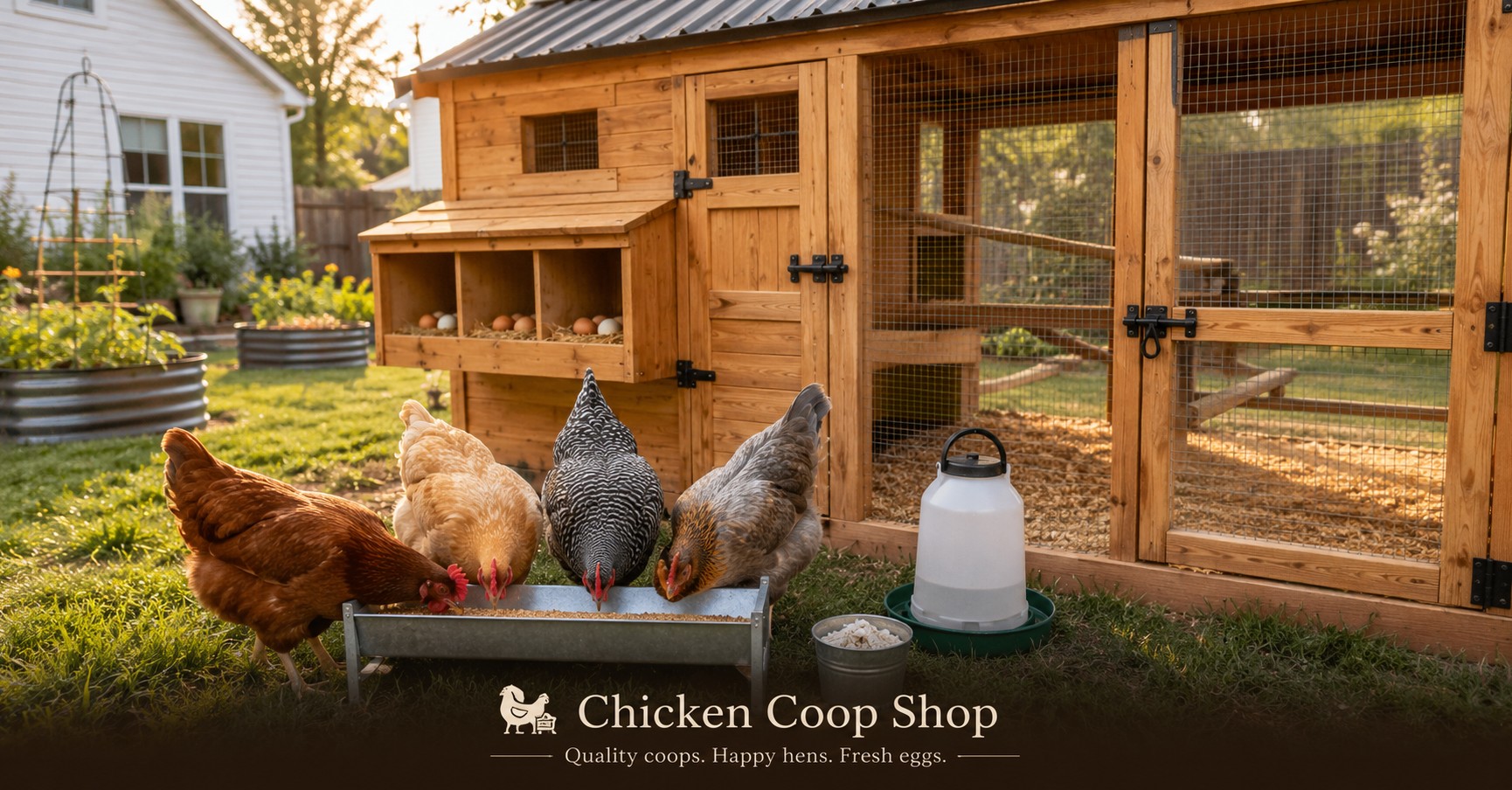
For most families raising chickens in a backyard coop, the simplest routine is to keep layer feed available during waking hours and let hens eat what they need. Chickens naturally eat throughout the day. They usually do not sit down for one large meal like people do. A hanging feeder inside the covered run or a weather-protected feeder near the coop works well as long as the feed stays dry and rodents cannot easily get into it.
Pellets are often less wasteful because hens cannot pick through them as easily. Crumbles are easier for smaller birds and some mixed flocks to eat. Mash can work, but it may be dustier and easier to waste if the feeder is not designed well. The right texture is the one your flock eats consistently without spilling half of it into the bedding.
The Best Chicken Feed for Laying Hens is not always the most expensive bag on the shelf. It is the feed your hens eat well, that matches their life stage, stays fresh in storage, supports strong shells, and fits your daily routine. If you are just starting with backyard chickens for beginners, a standard 16 percent layer feed plus clean water and free-choice oyster shell is usually the easiest foundation.
When to start layer feed
Most pullets switch to layer feed around the time they begin laying or when they are close to point-of-lay age. A common beginner mistake is giving high-calcium layer feed too early to young birds that are still growing. Chicks and growing pullets need starter or grower feed first. Layer feed is meant for birds that need extra calcium because they are producing eggshells.
If your flock includes roosters, young pullets, or non-laying birds, an all-flock feed with oyster shell on the side may be a better fit. That lets laying hens take calcium as needed while birds that do not need extra calcium can avoid eating a layer ration every day.
Beginner tip: Do not judge a feed only by the front of the bag. Read the feed tag. Look for the intended bird type, protein percentage, calcium range, freshness date if available, and feeding directions.
Layer Feed vs Regular Chicken Feed
Layer feed is made specifically for hens that are laying eggs. Regular chicken feed can mean several different things, including chick starter, grower feed, broiler feed, scratch grains, all-flock feed, or general poultry feed. The difference matters because laying hens have a special need for calcium and balanced nutrients.
Chick starter is high in protein and designed for fast early growth. Grower feed supports developing pullets before they begin laying. Broiler feed is built for meat birds and is not the right everyday choice for a backyard egg flock. Scratch grains are not complete feed. They are more like a treat or energy snack, not a full diet.
Layer feed usually contains more calcium than grower or all-flock feed. That extra calcium supports eggshell formation. Without enough calcium, hens may lay thin shells, rough shells, soft shells, or shell-less eggs. However, more calcium is not always better for every bird. That is why flock makeup matters.
If all your chickens are adult laying hens, layer feed is usually the most straightforward choice. If you keep mixed ages, roosters, or birds taking a break from laying, all-flock feed with separate oyster shell can be a practical option. The laying hens will eat oyster shell when their bodies need more calcium, while other birds are not forced to eat a high-calcium ration.
Why scratch grains are not enough
Scratch grains are popular because chickens love them. They run to scratch like it is candy. But scratch is not the best feed for chickens laying eggs because it does not provide complete nutrition. Too much scratch can reduce the amount of balanced layer feed your hens eat, which may lead to lower egg production, weaker shells, weight gain, or poor overall condition.
Think of scratch as a small treat, not the main meal. In cold weather, a small amount in the late afternoon can encourage natural scratching behavior and provide extra energy, but it should not replace feed for egg laying hens.
Protein Level for Laying Hens
Protein is one of the most important nutrients in chicken feed for laying hens. Eggs contain protein, feathers are made mostly from protein, and hens need protein to maintain muscle and body condition. Many common layer feeds sit around 16 percent protein, which works well for many backyard flocks. Some situations may call for slightly higher protein, such as heavy laying strains, molting birds, cold weather stress, or flocks that waste feed.
Low protein can show up in subtle ways. Hens may lay fewer eggs, lose condition, eat feathers, look rough during molt, or seem less productive even though they have plenty of food. However, a drop in eggs is not always a protein problem. Age, daylight, heat stress, broodiness, parasites, predator pressure, poor coop ventilation, and illness can all affect laying. If egg production changes suddenly, compare feed with other flock conditions and read more about why chickens stop laying eggs.
Protein quality also matters. A complete layer feed is formulated to provide amino acids hens need. Simply adding random high-protein snacks is not the same as feeding a balanced ration. Mealworms, scrambled egg, fish meal-based supplements, or black soldier fly larvae may be useful in small amounts, but they should not become the main diet unless you are working from a properly balanced poultry ration.
How treats can lower protein without you noticing
Many backyard owners buy a good layer feed and then accidentally weaken the diet with too many extras. If hens fill up on corn, bread, pasta, low-nutrient scraps, or scratch grains, they may eat less layer feed. That means less protein, less calcium, and fewer balanced vitamins and minerals.
A simple rule is to make complete feed the main diet and keep treats small. Offer treats after hens have eaten their regular feed, not first thing in the morning. This protects nutrition while still letting your flock enjoy variety.
Calcium and Oyster Shell for Strong Eggshells
Calcium is essential for eggshell strength. Each egg requires a serious mineral investment from the hen. If she does not get enough available calcium, her body may pull from its own reserves, and egg quality can suffer. That is why the Best Chicken Feed for Laying Hens usually includes added calcium.
Even with a layer feed, many backyard keepers offer oyster shell in a separate small feeder. This is called free-choice calcium. The idea is simple: hens that need extra calcium can take it, and hens that do not need it can ignore it. Do not force oyster shell into the main feed unless you have a specific reason and know your flock needs it. Separate feeding gives birds more control.
Oyster shell is especially helpful when you see thin shells, weak shells, soft shells, or cracked eggs in the nesting boxes. It can also help during peak laying seasons when hens are producing frequently. Crushed limestone is another calcium source used in poultry nutrition, but oyster shell is easy for backyard owners to find at feed stores.
Calcium is not the only factor in shell quality. Vitamin D, overall nutrition, age, heat stress, disease, and access to clean water can also affect shells. Older hens may naturally lay larger eggs with thinner shells. During hot summer weather, hens may eat less feed, which can reduce calcium intake. That is one reason summer feeding management matters.
Safety note: If eggs suddenly become very abnormal, hens act weak, stop eating, breathe poorly, or show signs of serious illness, do not rely only on feed changes. Contact a poultry vet, experienced poultry keeper, or your local extension office for guidance.
What to Feed Chickens to Lay More Eggs
Many people ask, what to feed chickens to lay eggs or what can I feed my chickens to lay more eggs. The honest answer is that feed can support good laying, but it cannot override age, breed, daylight, stress, molt, health, or season. A hen needs the right conditions to lay well.
Start with a complete layer feed as the main diet. Add clean water every day. Offer oyster shell separately. Keep feeders dry and clean. Limit treats. Make sure the coop is safe, well ventilated, and not overcrowded. Give hens comfortable nesting boxes, roosting space, predator protection, and a routine that reduces stress.
If hens are not laying well, look at the whole system before changing feed. Are they molting? Are days shorter? Is the coop too hot? Are predators visiting at night? Is the feeder empty by afternoon? Is feed getting wet and moldy? Are dominant hens blocking weaker hens from the feeder? Are eggs being hidden in the run instead of the nesting boxes?
A practical egg-supporting diet looks like this:
- Complete layer pellets or crumbles as the main feed.
- Fresh water available all day, especially in summer.
- Free-choice oyster shell in a separate container.
- Grit if hens eat whole grains, forage, grass, or treats.
- Small, safe treats only after regular feed intake.
- Clean feeders that protect feed from rain, bedding, rodents, and wild birds.
The best laying chicken feed supports the hen’s body instead of pushing her beyond her natural ability. Better nutrition can help hens reach their normal potential, but no feed can make every chicken lay daily forever.
Best Treats for Laying Hens
Treats can be a fun part of backyard chicken care. They encourage natural pecking and scratching, help with flock bonding, and make chicken keeping more enjoyable. The key is moderation. Treats should support the diet, not replace feed.
Good treats for laying hens include leafy greens, small amounts of vegetables, pumpkin, squash, cucumber, watermelon in hot weather, cooked plain eggs, black soldier fly larvae, mealworms in moderation, and small amounts of scratch grains. Many hens also enjoy garden weeds that are known to be safe, but avoid offering unknown plants.
When feeding treats, scatter them in the run instead of dumping them into the feeder. This keeps the main feed clean and encourages natural foraging. In muddy weather, use a tray or treat pan so food does not get buried in wet bedding. Remove uneaten fresh food before it spoils, especially during warm months.
Best treat timing
Morning should belong to layer feed. Hens often eat heavily after leaving the roost because their bodies are active and many are preparing to lay. If you give treats first, they may fill up on lower-nutrient foods. A better routine is to offer treats in the afternoon after hens have had plenty of time to eat their main feed.
For hot summer afternoons, watery treats like cucumber or watermelon can be useful, but they still should not replace feed. For cold winter afternoons, a small amount of scratch can encourage activity before roosting. Match treats to the season, but keep the complete ration as the foundation.
What Not to Feed Laying Hens
Laying hens are curious and will peck at many things, but not everything is safe or useful. Avoid spoiled, moldy, salty, greasy, or heavily processed foods. Moldy feed can be dangerous. Wet feed left in the feeder can sour, attract pests, and create a health risk. If feed smells off, clumps oddly, or looks moldy, throw it away.
Do not use bread, pasta, crackers, cereal, or corn as the main diet. These foods may be tempting, but they are not balanced feed for laying hens. Also avoid giving lots of high-fat scraps, sugary foods, or anything with strong seasoning. Backyard hens do not need human junk food.
Common foods to avoid include chocolate, alcohol, caffeine, very salty leftovers, spoiled meat, raw dried beans, and avocado pits or skins. Also be careful with lawn clippings. Long grass clippings can tangle in the crop, and treated lawns may contain chemicals you do not want your flock eating.
Another mistake is feeding layer feed to chicks too early. Young birds need starter or grower feed, not high-calcium layer feed. If you have a mixed-age flock, set up a feeding system that protects younger birds while still giving laying hens the calcium they need.
Summer Feeding Tips
Summer can be hard on laying hens. In many parts of the United States, heat and humidity reduce feed intake. When hens eat less feed, they may also consume less protein, calcium, and minerals. That can lead to smaller eggs, thinner shells, or a laying slowdown.
The best answer is not to overload hens with treats. Instead, protect normal feed intake. Place feeders in shaded, dry areas. Keep water cool and clean. Use multiple waterers if your flock is large or if dominant hens block access. Refill water more often during heat waves. Check that the run has shade and airflow.
If you are wondering what to feed laying hens in summer, keep the base diet steady with layer feed. Add watery treats sparingly in the afternoon, such as cucumber, watermelon, or chilled leafy greens. Avoid heavy scratch grain during the hottest part of the day because digestion creates body heat and hens may already be stressed.
Coop ventilation is also part of feeding success. A hot, stuffy coop can reduce laying even when the diet is good. Keep vents open while protecting against predators. Dry bedding, clean waterers, and good airflow help reduce moisture and ammonia. For more seasonal planning, see seasonal chicken care.
Winter Feeding Tips
Winter feeding is about energy, water, and consistency. Hens use more energy to stay warm, but egg production often slows because daylight is shorter. A laying drop in winter is normal for many backyard flocks. Feed can support health, but it cannot replace natural light cycles unless you choose to manage lighting carefully.
Keep layer feed available and dry. Cold weather can increase appetite, so check feeders often. Water is just as important in winter as summer. If water freezes, hens may stop drinking enough, and egg production can drop. Use a safe heated waterer if appropriate for your setup, or refresh water several times daily in freezing weather.
A small amount of scratch grain in the late afternoon can be useful in winter because it encourages activity and gives hens something to work on before roosting. Do not overdo it. Scratch is still a treat, not the main feed. Also keep bedding dry. Damp bedding increases chill, odor, and health problems, especially in a closed-up coop.
Beginner Feeding Schedule
A simple feeding schedule helps beginners avoid overthinking. Chickens like routine. You do not need to measure every bite for a small backyard flock, but you should observe how quickly feed disappears, whether all hens get access, and whether there is waste under the feeder.
Morning
Open the coop or run, check water, and make sure layer feed is available. Look at the flock for quick health clues. Healthy hens usually come out alert, begin scratching, and visit the feeder. If one hen stays back, looks puffed up, or refuses feed, watch her closely.
Midday
In hot weather, check water again. In rainy weather, make sure feed is still dry. If the feeder is empty every day by noon, add another feeder or increase the amount. If there is lots of spilled feed, raise the feeder to back height or switch feeder style.
Afternoon
Offer small treats if you use them. Scatter them in the run to encourage movement. Collect eggs, check shell quality, and look for dirty or broken eggs. Eggshell changes can be an early sign that nutrition, stress, heat, or age is affecting your flock.
Evening
Remove wet treats, secure feed from rodents if needed, and make sure hens are safely inside the coop. Predators, moisture, and rodents can create problems that show up later as stress, disease risk, or wasted feed.
Common Feeding Problems and Fixes
Feeding problems often look like egg problems first. Thin shells, sudden laying drops, messy feeders, or picky eating can all point to a routine that needs adjustment. Use this table as a practical starting point, not a medical diagnosis.
| Problem | Possible Cause | What to Do First | Beginner Tip |
|---|---|---|---|
| Thin or weak eggshells | Low calcium intake, heat stress, older hens, or not enough layer feed | Offer oyster shell free-choice and confirm hens are eating complete layer feed | Check shells for a full week before changing too many things at once |
| Egg production drops | Shorter days, molt, stress, low feed intake, predators, illness, or age | Check feed, water, coop safety, daylight, and flock behavior | Do not assume feed is the only cause of fewer eggs |
| Feed gets wasted | Wrong feeder height, mash texture, overcrowding, or birds billing feed out | Raise feeder to back height and consider pellets or a no-waste feeder | Wasted feed attracts rodents and increases cost |
| Hens ignore layer feed | Too many treats, stale feed, sudden feed change, or spoiled feed | Reduce treats and check freshness, smell, and storage conditions | Mix old and new feed briefly when switching brands |
| Soft or shell-less eggs | Young pullets starting out, calcium issue, stress, or health problem | Review calcium, water, stress, and nesting routine | Occasional odd eggs can happen, but repeated issues need attention |
Feed Types Compared
Not every feed at the farm store is meant for laying hens. This table helps beginners choose the right bag for the right flock stage and avoid common mistakes.
| Feed Type | Best Use | Pros | Cons or Caution |
|---|---|---|---|
| Layer pellets | Adult laying hens | Less waste, balanced nutrition, easy to use in hanging feeders | May be too large for some small breeds or picky birds |
| Layer crumbles | Adult laying hens that prefer smaller pieces | Easy to eat, good for smaller birds, widely available | Can create more dust and waste than pellets |
| All-flock feed | Mixed flocks with roosters, pullets, or non-laying birds | Flexible for different birds when oyster shell is offered separately | Laying hens still need free-choice calcium |
| Grower feed | Pullets before laying age | Supports growth without extra layer calcium | Not ideal as the only feed once hens are laying heavily |
| Scratch grains | Small treat, especially in cool weather | Encourages scratching and flock activity | Not complete feed and can reduce nutrition if overused |
My Practical Recommendation
For most US backyard chicken owners, I recommend starting with a fresh 16 percent layer pellet or crumble as the main feed, then offering oyster shell in a separate small container. Keep clean water available all day, use a feeder that prevents waste, and limit treats to small afternoon portions.
If your flock is all adult laying hens, layer feed is usually the easiest choice. If your flock includes roosters, young pullets, or birds not laying, use an all-flock feed and provide oyster shell free-choice for the hens that need it.
Do not chase egg production with random supplements before fixing basics. First check feed freshness, water access, heat stress, coop ventilation, nesting boxes, predator pressure, and whether hens are molting or aging. The Best Chicken Feed for Laying Hens works best when the whole backyard chicken care system is steady.
FAQ
1. What is the best chicken feed for laying hens?
The best chicken feed for laying hens is a complete layer feed made for adult egg-laying chickens. For many backyard flocks, that means layer pellets or crumbles with balanced protein, energy, vitamins, minerals, and added calcium. A feed around 16 percent protein is common for laying hens, but always read the feed tag. Keep it fresh, dry, and available during the day. Add a separate container of oyster shell so hens can take extra calcium when needed. Clean water is just as important as feed because hens cannot lay well if they are not drinking enough.
2. Can laying hens eat regular chicken feed?
Laying hens can eat some regular chicken feeds, but the feed must match their needs. Grower feed, chick starter, broiler feed, and scratch grains are not the same as layer feed. Adult hens producing eggs need enough calcium for shells and balanced nutrition for laying. If you use all-flock feed, provide oyster shell separately so laying hens can get calcium. Scratch grains should only be a small treat. If you are unsure, choose a feed labeled for laying hens or ask your local feed store, poultry vet, or extension office for help.
3. Do laying hens need oyster shell if they already eat layer feed?
Many hens do fine on a complete layer feed, but offering oyster shell separately is still a smart backyard practice. It lets hens adjust their own calcium intake, especially during heavy laying, summer heat, or times when shells look thin. Do not mix large amounts into the main feed unless you know your flock needs it. A small separate cup or feeder is easier and safer. If only one or two eggs have thin shells, monitor the flock. If the issue continues, review feed, water, stress, age, and overall health.
4. What can I feed my chickens to lay more eggs?
To support better laying, feed a complete layer ration, provide fresh water, offer oyster shell, and reduce low-nutrient treats. Also check the environment. Hens need a safe coop, good ventilation, dry bedding, comfortable nesting boxes, and protection from predators. Egg production also depends on breed, age, daylight, molt, weather, and health. Feed helps hens reach their natural laying ability, but it does not force unlimited eggs. If your flock suddenly stops laying and also seems sick, weak, or off feed, contact a poultry vet or local extension office.
5. Are organic chicken feeds better for laying hens?
The best organic chicken feed for laying hens can be a good choice if you want organic ingredients and the feed is complete, fresh, and properly balanced. Organic does not automatically mean better egg production, and non-organic layer feed can also support healthy hens. Compare the feed tag, protein level, calcium level, freshness, and whether your hens actually eat it well. If the organic feed is dusty, stale, or poorly accepted by your flock, it may not be the best choice for your setup. Choose based on quality, freshness, and flock response.
6. How much feed does a laying hen eat per day?
Feed intake varies by breed, body size, weather, activity, and whether hens free-range or receive treats. Many standard laying hens eat roughly a small handful to a little more than that per day, but measuring every bird is not necessary for most backyard flocks. A better method is to keep feed available, watch body condition, and check waste. If feeders are empty too early, add more feed or another feeder. If feed piles up, gets stale, or is scattered everywhere, adjust feeder height, feeder type, or the amount offered.
7. What treats are best for laying hens?
Good treats include leafy greens, cucumber, squash, pumpkin, small amounts of fruit, cooked plain eggs, mealworms in moderation, black soldier fly larvae, and small amounts of scratch grain. Treats should be small and offered after hens have eaten their regular feed. Too many treats can dilute protein, calcium, and vitamins from the layer ration. In summer, watery treats can help encourage pecking and hydration, but they do not replace clean water. In winter, a little scratch in the afternoon can encourage activity, but it should not become the main diet.
8. What should I not feed laying hens?
Do not feed moldy, spoiled, salty, greasy, sugary, or heavily seasoned foods. Avoid chocolate, alcohol, caffeine, raw dried beans, spoiled meat, and avocado pits or skins. Do not use bread, pasta, cereal, or scratch grains as the main diet. Be careful with unknown plants and chemically treated grass clippings. Also avoid feeding layer ration to young chicks too early. If a hen eats something questionable and shows signs of illness, weakness, breathing trouble, or severe digestive upset, contact a poultry vet or local extension office for safe advice.
9. What should I feed laying hens in summer?
In summer, keep the main diet steady with complete layer feed, but focus heavily on water, shade, and airflow. Heat can reduce feed intake, which may reduce protein and calcium intake. Place feeders in shade, keep feed dry, and refresh water often. Offer oyster shell separately and use watery treats like cucumber or watermelon only in small afternoon portions. Avoid heavy scratch grain during the hottest part of the day. Good coop ventilation, dry bedding, and clean waterers are part of summer nutrition because heat stress can affect laying and shell quality.
10. Why are my hens laying thin-shelled eggs?
Thin-shelled eggs may come from low calcium intake, poor feed intake, heat stress, age, stress, or health issues. First, make sure hens are eating a complete layer feed and have oyster shell available free-choice. Check water access, because hens that do not drink enough may not eat enough either. Look at the coop for heat, poor ventilation, overcrowding, or predator stress. Older hens can naturally lay thinner shells. If thin shells are sudden, severe, or combined with sick behavior, ask a poultry vet or extension office for guidance.
11. Should I feed pellets or crumbles to laying hens?
Both pellets and crumbles can work well if they are complete layer feeds. Pellets often create less waste because hens cannot sort through them as easily. Crumbles are easier for smaller birds and some picky hens to eat. If your flock wastes a lot of crumbles, try pellets or a different feeder. If your hens refuse pellets after eating crumbles for a long time, transition gradually by mixing the two for a short period. The best choice is the one your hens eat consistently while maintaining good condition, strong shells, and steady laying.
12. Can feed solve every egg laying problem?
No. Feed is very important, but it is only one part of egg production. Hens may stop laying because of molt, short winter days, age, broodiness, predator stress, heat, disease, parasites, poor coop conditions, or lack of water. A great feed cannot fix an unsafe coop, dirty waterer, overheating run, or serious illness. Start with the basics: balanced layer feed, oyster shell, clean water, dry bedding, ventilation, and flock safety. If birds look sick or egg changes are severe, get help from a poultry vet or local extension office.
Final Checklist
- Choose a complete layer pellet or crumble for adult laying hens.
- Keep fresh, clean water available every day.
- Offer oyster shell separately for free-choice calcium.
- Use grit when hens eat forage, whole grains, or treats.
- Keep treats small and give them after regular feed.
- Do not use scratch grains as the main diet.
- Store feed in a dry, sealed container away from rodents.
- Check feed freshness, smell, and moisture before feeding.
- Watch eggshell quality as an early nutrition clue.
- Adjust summer feeding with shade, water, and airflow.
- Adjust winter feeding with dry feed and unfrozen water.
- Review coop stress, predators, bedding, and ventilation if laying drops.
- Contact a poultry vet or local extension office for serious illness signs.