
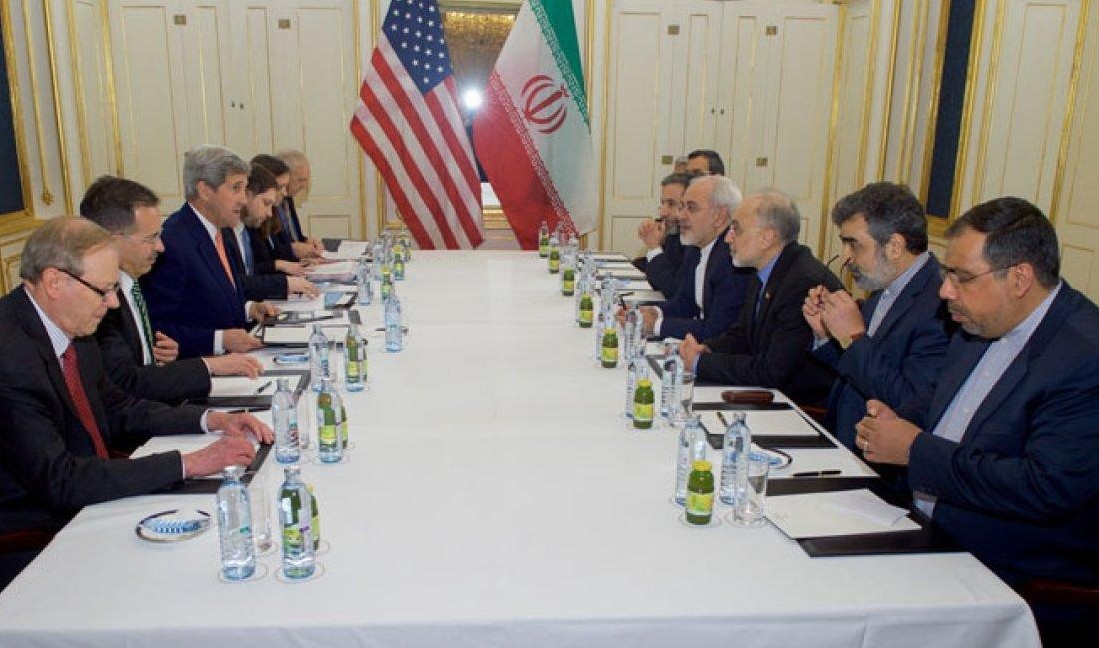
The recent high-level talks between the United States and Iran have concluded without a formal agreement, raising concerns about future diplomatic efforts and regional stability. The discussions, which reportedly lasted more than 20 hours, were held amid growing global attention and expectations for progress in easing tensions.
Officials from both sides described the talks as “constructive but challenging,” indicating that while progress was made in some areas, significant differences remain. The main issues discussed included economic cooperation, sanctions relief, and regional stability. However, disagreements over key policy areas prevented both sides from reaching a final agreement.
Experts believe that even without a deal, the continuation of diplomatic engagement itself is a positive sign. International observers note that dialogue remains one of the most effective ways to reduce tensions and avoid further complications in global politics.
The talks also drew attention from global markets. Investors closely monitored the developments, particularly because diplomatic outcomes between major global players often influence energy markets, trade policies, and international cooperation.
Another important aspect of the discussions was the involvement of multiple stakeholders and advisors. Their participation suggests that future talks may continue, possibly leading to gradual improvements in diplomatic relations.
Despite the lack of an immediate agreement, officials emphasized that discussions will likely continue in the coming weeks. This indicates that both sides remain interested in maintaining open communication channels.
The outcome of these talks will continue to influence global diplomacy and economic outlooks. Analysts believe that even small diplomatic steps could have a positive impact on international relations and market stability.